
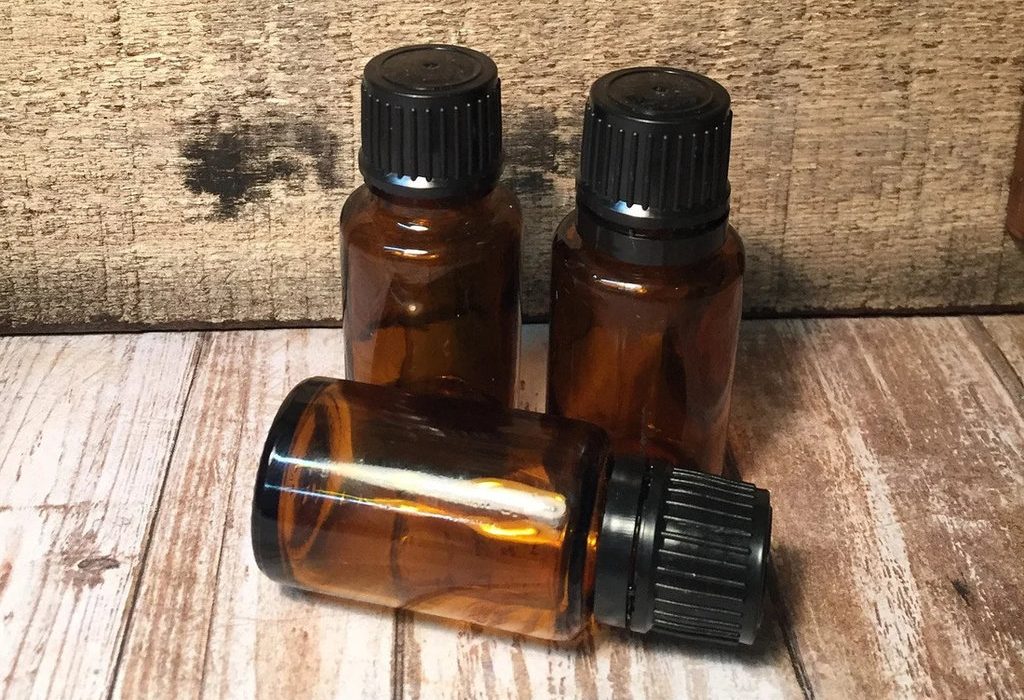
If you have ever opened a bottle of lavender or eucalyptus oil after a few months and noticed the scent had faded or turned sharp, the container is usually to blame. Essential oils are sensitive to light, air, and the material they touch, and the wrong storage can quietly ruin a blend you spent time and money creating. That is where the right glass container comes in. Unlike plastic or low quality options, a good vial is built to protect delicate aromatic compounds from the moment you fill it until the last drop is used. This guide looks at why they work so well and how to get the most out of them.
Why Glass Beats Plastic for Essential Oils
Essential oils are concentrated plant compounds, and many of them are strong enough to break down plastic over time. When that happens, chemicals from the container can leach into the oil, changing its scent and potentially irritating skin. Quality glass vials avoid this problem entirely. Glass is non reactive, meaning it will not absorb the oil or release anything back into it, no matter how long the blend sits on a shelf. This keeps the aroma true to what you originally mixed. Glass is also far easier to clean between uses, which matters if you like to reuse containers for new blends. A quick rinse with alcohol and the vial is ready again, something you cannot always trust with plastic that may hold onto old scents.
The Role of Sterility in Long Term Freshness
Sterility might sound like a concern only for medical or lab settings, but it matters just as much for essential oils and homemade fragrance blends. Any residue, moisture, or bacteria left inside a container before filling can start breaking down the oil almost immediately, even if the vial looks clean to the eye. Sterile glass vials are processed to remove these hidden contaminants before they ever reach your workbench, giving your blend a clean starting point. This is especially important for oils mixed with carrier oils or water based components, since those mixtures are more vulnerable to spoilage than pure essential oil alone. Starting with a genuinely sterile container extends shelf life and helps the blend smell the way it did on day one for much longer.
Protecting Your Blends from Light and Air
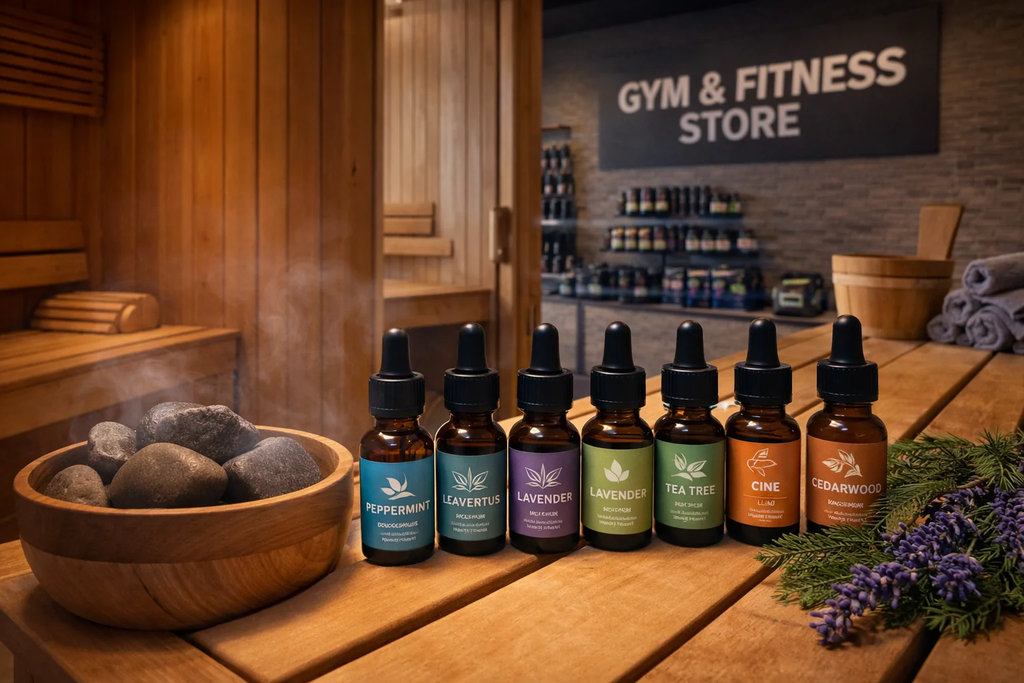
Two of the biggest enemies of essential oils are light and oxygen. Ultraviolet light breaks down aromatic molecules over time, which is why most quality vials come in amber or cobalt blue glass rather than clear. Good quality glass vials are typically manufactured with this in mind, filtering out the wavelengths that cause oils to degrade while still letting you see the liquid level inside. Air exposure is the other issue, since oxygen slowly oxidizes the compounds that give an oil its scent and therapeutic properties. A properly sealed glass vial with a tight cap or dropper insert limits how much air reaches the oil between uses. Together, tinted glass and a secure seal do more to preserve a blend than almost any other storage choice available.
Choosing the Right Size and Cap for Your Blend
Not every essential oil blend needs the same container, and picking the right size actually helps preserve freshness. A smaller vial means less air space above the liquid, so oils you use slowly are better kept in 5ml or 10ml sizes rather than large bottles that sit half empty for months. Cap choice matters just as much as size. Orifice reducers control how much oil comes out with each use and limit air exposure during pouring, while dropper caps give more precise control for blends applied directly to skin. Roller ball tops are popular for diluted blends meant for pulse points. Glass vials come in enough variations that you can match the container to how the oil will actually be used, rather than settling for whatever is on hand.
Storing and Labeling Your Vials Properly
Even the best container will not do its job if it is stored carelessly. Essential oils keep longest in a cool, dark place away from direct sunlight and temperature swings, so a cabinet or drawer works better than a windowsill or bathroom shelf. Keeping vials upright also reduces the risk of leaks around the cap or dropper. Labeling matters too, since blends can look nearly identical once bottled. Note the oil or blend name, the date it was mixed, and the ratio if you are working with dilutions. This becomes especially useful if you make blends regularly and want to track which ones age well and which do not. A little organization goes a long way toward getting full value out of quality glass containers.
Conclusion
Good essential oils deserve a container that does not undo the work you put into blending them. Quality glass vials protect against the main causes of spoilage, chemical reactions with plastic, contamination from residue, and damage from light and air, while giving you flexibility in size and cap style for different blends. Whether you are a casual hobbyist or someone who mixes oils regularly, switching to proper glass storage is a small change that noticeably extends how long your blends stay potent and pleasant to use. Once you start using the right vials, it becomes an easy habit to keep up, and your oils will thank you for it.